Engineered Precision, Delivered
The iconic polished ceramic finish that established Jet-Hot as the leader in high-performance exhaust coatings.

the coating that started it all
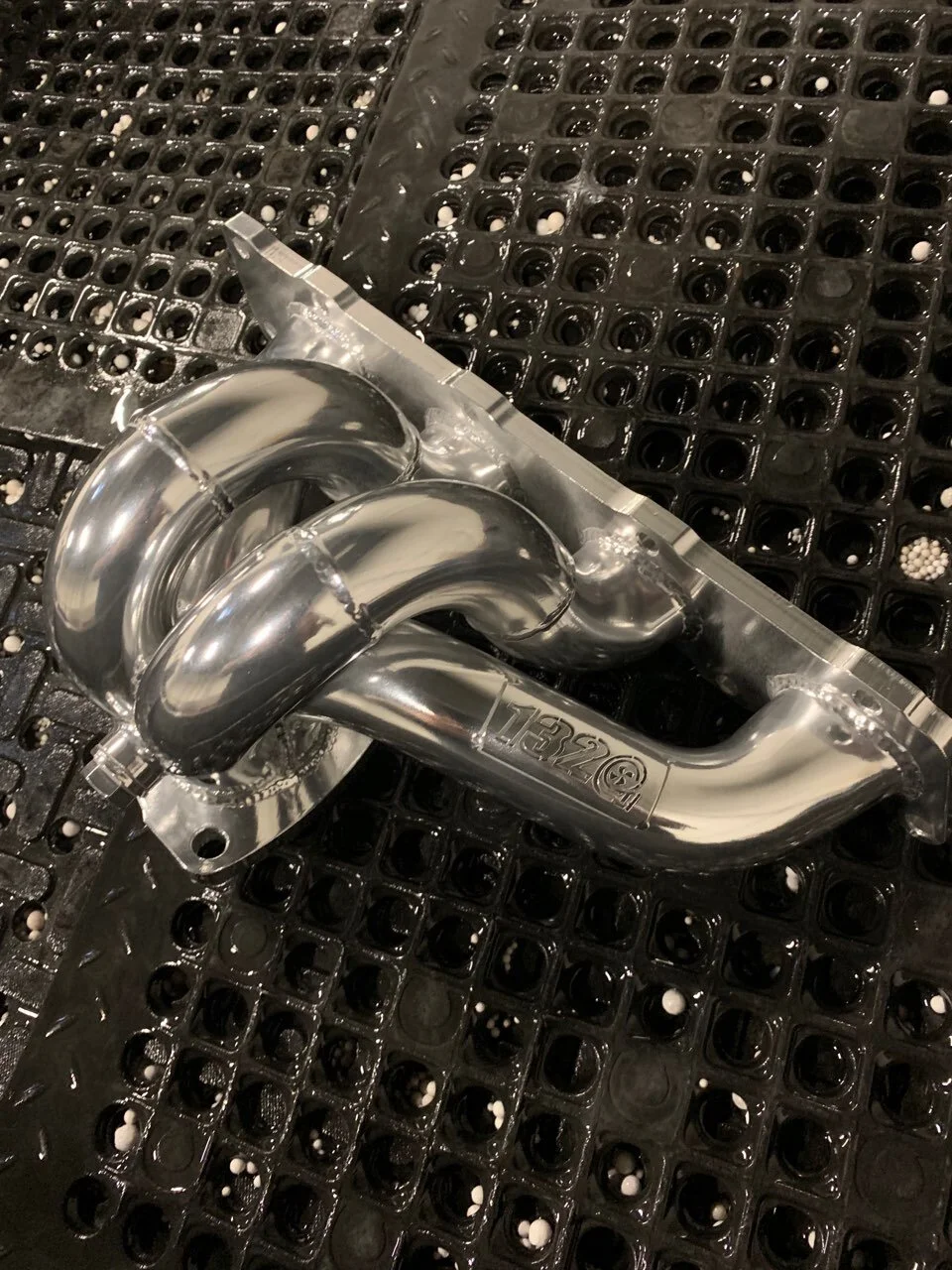
jet-hot 1300 classic polish
Up to 65% lower surrounding temperatures
Withstands temperatures up to 1250°F
Corrosion resistant
Low emissivity
Lifetime warranty
drastically lower underhood temperatures
1300 Classic polish has high thermal conductivity and ultra low emissivity-reducing underhood temps by 56-65%
*If you are running power adders, such as nitrous, turbos, superchargers, blowers, and/or 85hp per liter of displacement, we would suggest you upgrade to our 2k coating, as our 1300 series coating is not warrantied against overtemp damage.
common applications
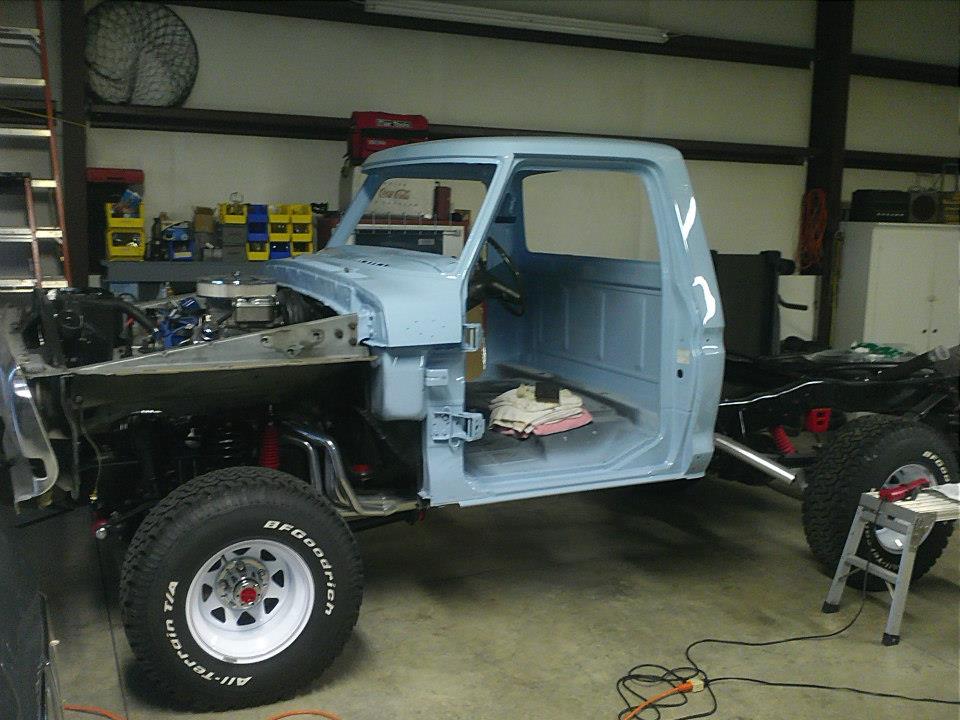
Exhaust systems
Headers
Catalytic converters
Piston heads
X-pipes
Tubing
Side pipes
Tips
Heat shields
Mufflers
the coating everyone imitates
You may have heard the term "ceramic coating" or even had your exhaust "ceramic coated" but did you know Jet-Hot has been there since the beginning in 1981?
With superior thermal management and corrosion resistance properties that lower surrounding temperatures by up to 65%, protect from thermal oxidation, galvanic corrosion and the ability to withstand 1250°F surface temperatures, there is no question as to why Jet-Hot Classic Polish remains the industry leader in exhaust coatings.
Jet-Hot Classic Polish can be applied to most internal and external surfaces improving the performance and overall life of your exhaust.
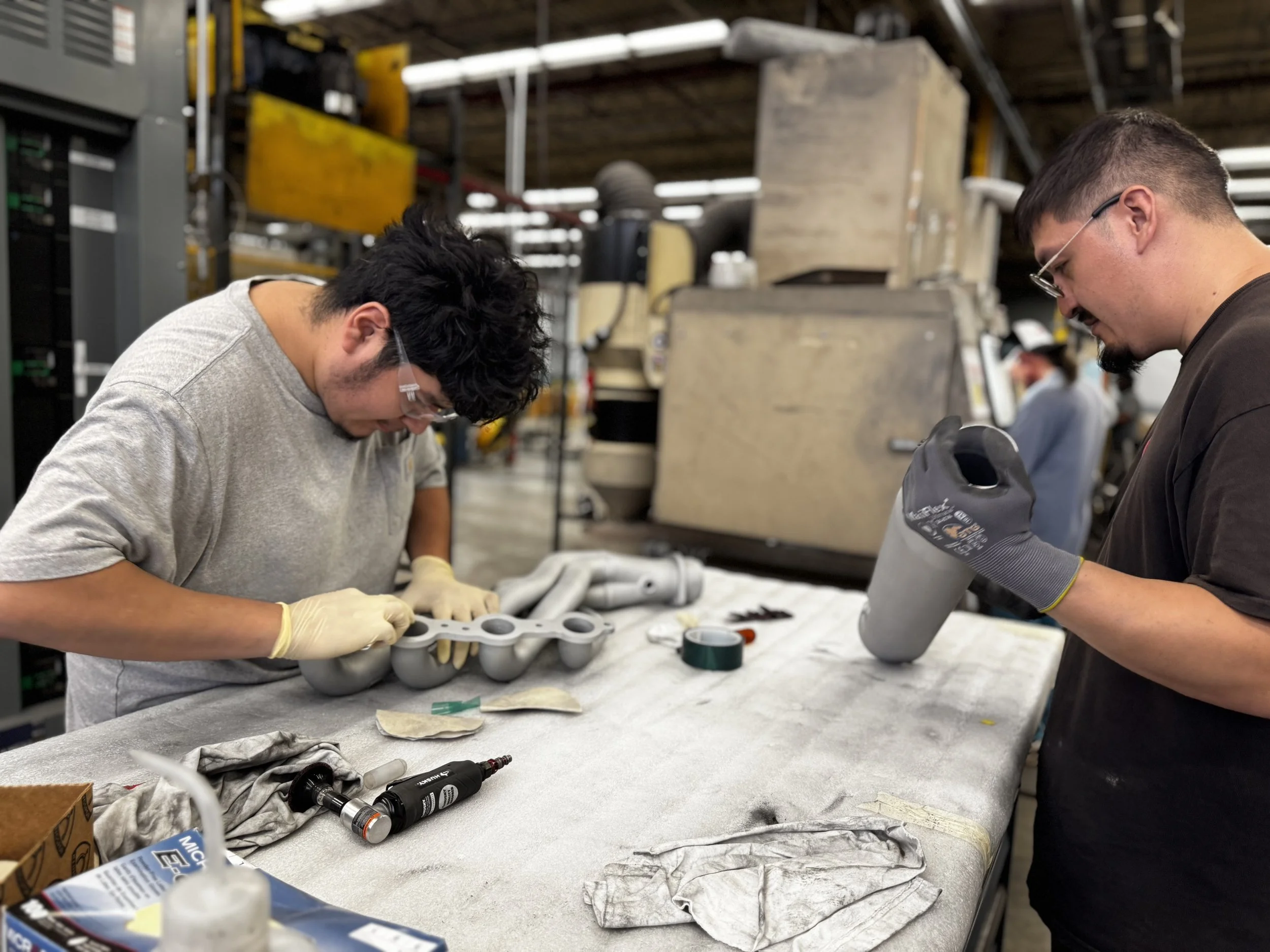
Our proprietary coating process involves up to 12 precise, independent steps, each performed by skilled local craftsmen with the care, discipline, and attention to detail that Jet-Hot is known for. Every part is carefully prepared, coated, and inspected throughout the process, with rigorous quality control at every stage.
The result is more than a beautiful finish. It’s a high-performance ceramic coating engineered for extreme temperatures and built to withstand the demands of serious applications. Every part that leaves our facility meets the Jet-Hot standard for quality, consistency, and craftsmanship.
Because the finish matters. And so does the process that creates it.
Damaged Headers or Pipes? Here’s What to Expect.
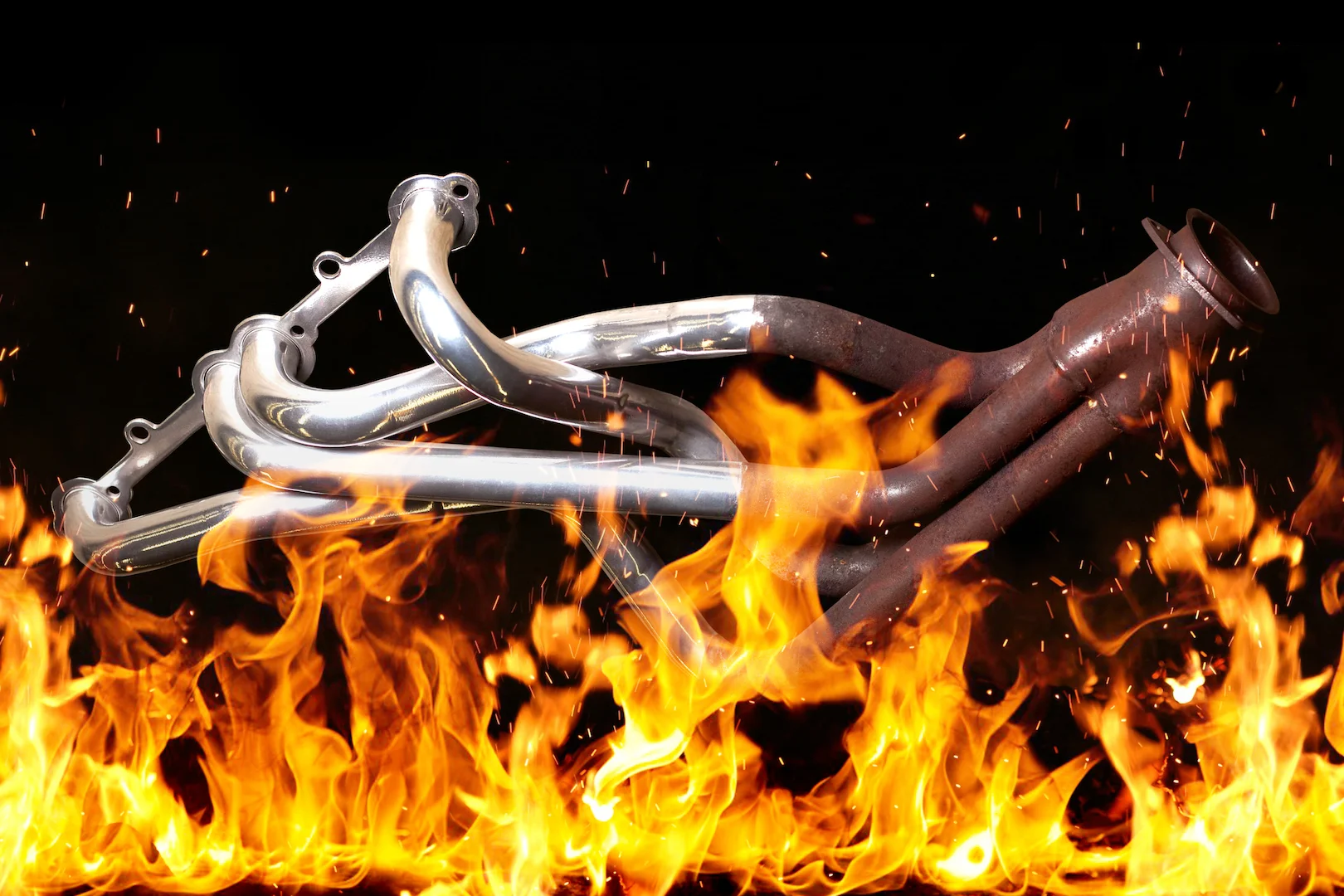
While many customers send us new parts for coating, we also restore and coat one-of-a-kind, custom, and original components that have seen years of use. These parts can arrive heavily rusted, discolored, or otherwise showing significant wear.
Our restoration process begins with thermal degreasing and abrasive blasting to remove contaminants, rust, and existing coatings and prepare the surface for Jet-Hot’s proprietary coating process. However, blasting can reveal the true condition of the underlying metal. Deep corrosion, pitting, dents, and other imperfections may remain in the surface.
Jet-Hot 1300 Classic Polish is an extremely thin ceramic coating
—approximately the thickness of a human hair. It follows the contours of the metal rather than filling or smoothing imperfections. As a result, existing pitting and surface irregularities can remain visible through the finished coating, and the polished appearance may look uneven on heavily pitted parts.
The coating does not hide the history of the part. It preserves it.
Even when the final appearance reflects the condition of the underlying metal, the coating still provides the performance benefits of Jet-Hot 1300, including reduced radiant heat. With 1300 Classic Polish, radiant heat reduction is approximately 56–65%.
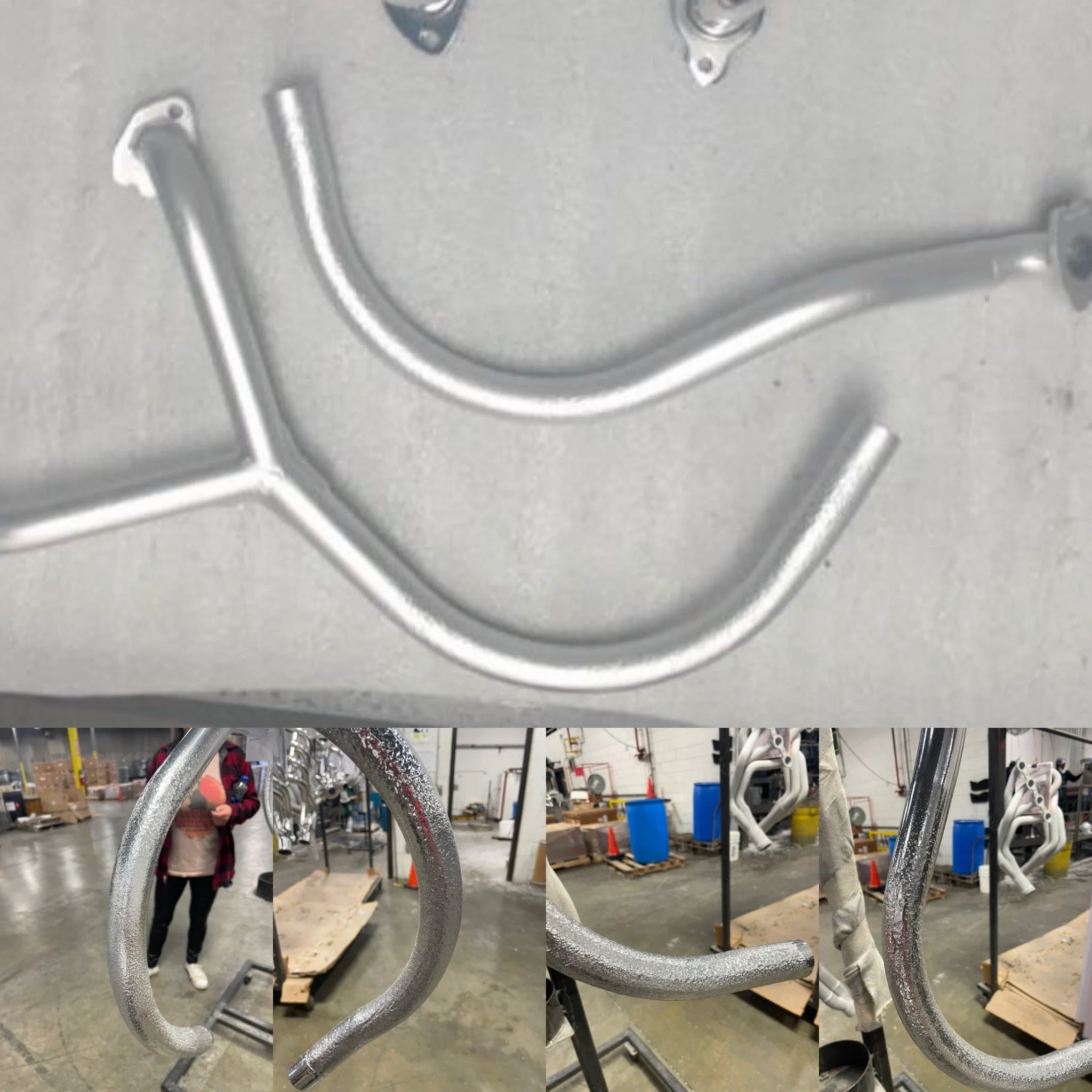
Prefer to minimize the appearance of pitting? Consider Jet-Hot 1300 in Satin Silver. It is the same high-performance 1300 ceramic coating, finished using a different process that creates a more forgiving satin appearance on imperfect surfaces. The underlying pitting may still be present, but it is generally less visually pronounced than with Classic Polish. You’ll still receive the thermal performance of 1300, with radiant heat reduction of approximately 40%.
This image reveals the same heavily pitted pipes, coated in 1300 Classic Polish (below) and 1300 Satin Silver (above). Notice how the satin silver finish masks the imperfections of the used pipe.