Keeping you cool for 40+ years!

Coat now, pay later


decrease Heat

Stop corrosion

increase preformance

HOW TO GET JET-HOTTED






Are you a Manufacturer?
While Jet-Hot is known as the go-to aftermarket exhaust coater, most of our work is with large scale manufacturers. If you work with an OEM, click below to learn how Jet-Hot can provide unparalleled service and reliability for manufacturers looking to solve heat and corrosion issues.
You shouldn't have to sacrifice looks for performance.
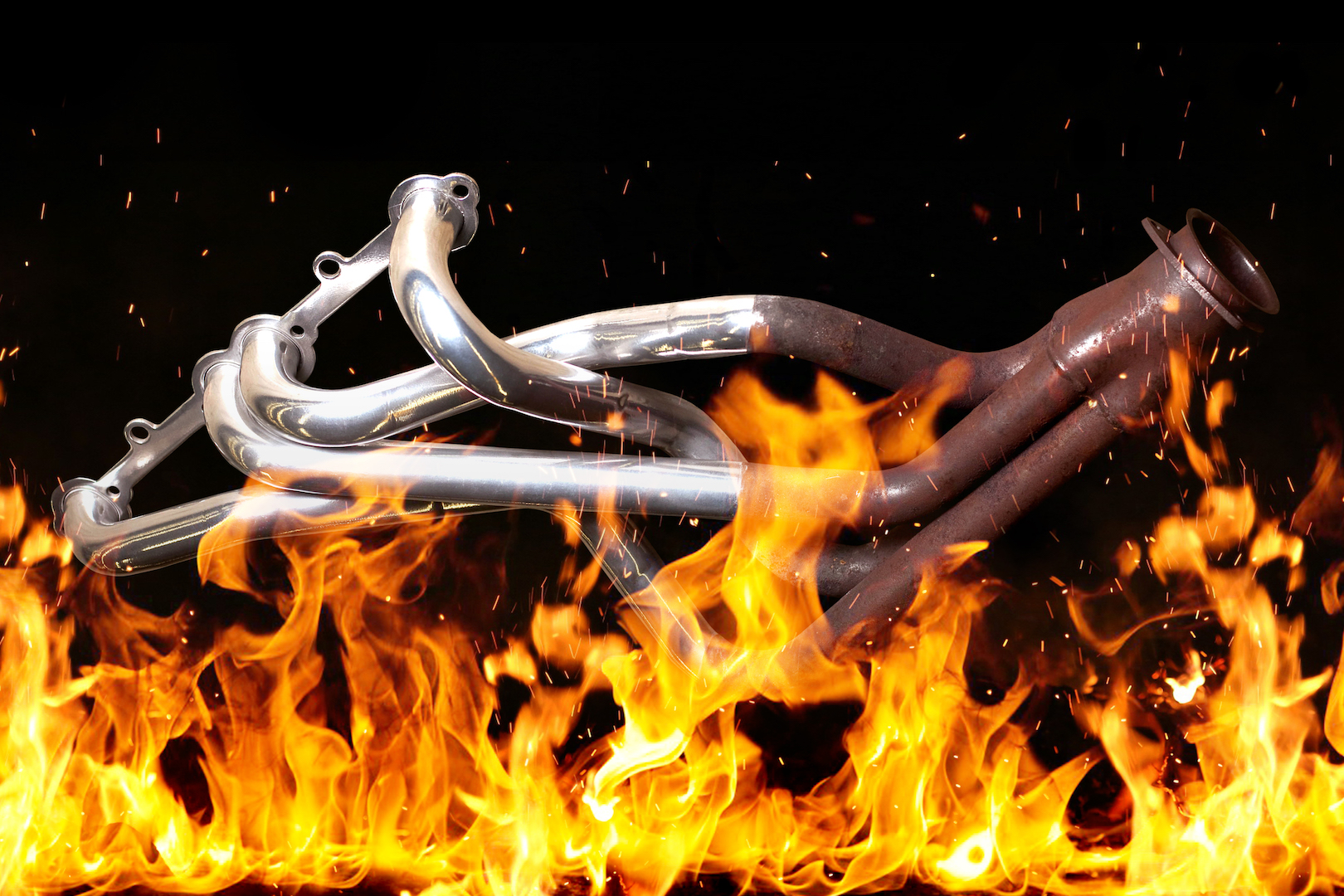
An ugly exhaust hurts your build. The heat you’re generating hurts performance. Jet-Hot coatings will solve both problems.

We believe you shouldn’t have to settle. You should be able to get great performance and great looks.
Four decades of coating expreience for builders like you.
Over 40,000 satisfied customers.
SINCE 1982
We know you want to be a smart builder.
Whether your passion is American muscle, Harleys, classic cars, hot-rods, streetbikes, off-road, firearms, boating, atvs, exotics, or paragliding, you need an exhaust that looks great while managing heat. The problem is your exhaust looks terrible which makes you feel frustrated. We believe you shouldn’t have to compromise between performance and looks. We understand what it feels like to be forced to choose which is why for four decades we’ve helped over 40,000 guys like you build vehicles that make them proud.
Jet-Hot has been the most trusted name in exhaust coatings for over 40 years.
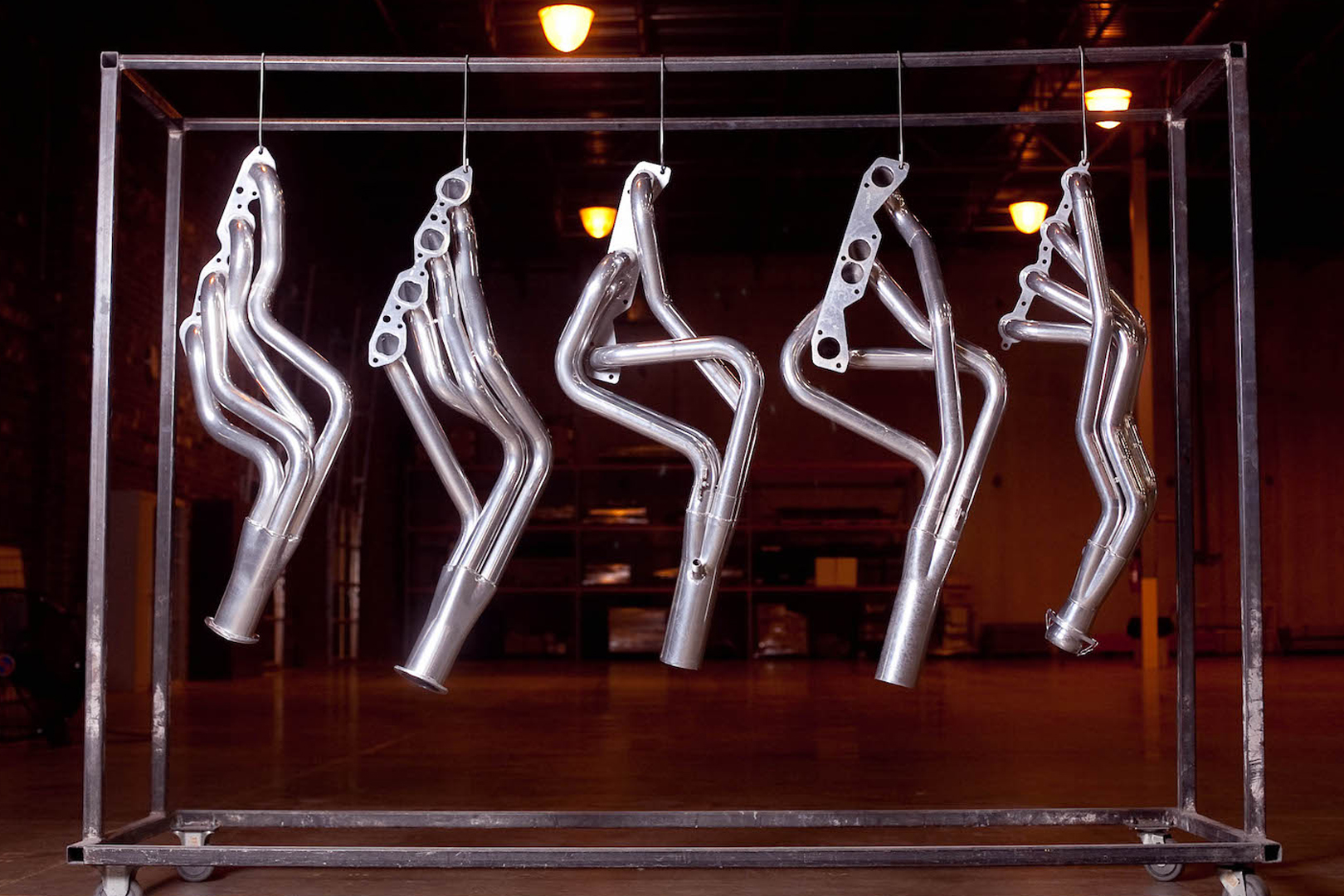
Here is how we do it: 1) Get a quick quote. 2) Send us your parts. 3) We will apply our proprietary Jet-Hot coating to match your project so that you get performance and great looks.
Get a quote. So you can stop being frustrated wasting time and money and instead be proud of a vehicle with increased value and performance that gets recognition.
"You need to get those headers Jet-Hotted."